
Master Essential Window Installation Techniques for Success

Mastering Window Installation Techniques for Optimal Performance and Energy Efficiency
Expert window installation techniques forge a robust, energy-efficient barrier, shielding your residence from unwelcome leaks, drafts, and escalating utility expenses. Homeowners frequently encounter issues such as moisture infiltration, inconsistent operation, and significant thermal loss when installations fall short of established industry benchmarks. This comprehensive guide presents seasoned strategies for every stage of window installation—from meticulously preparing the rough opening and implementing advanced flashing methods to optimizing energy performance and adhering to regional best practices. You’ll uncover how precise shimming, appropriate fastening, and meticulous finishing contribute to enduring performance, while local regulations in New Jersey and Pennsylvania guide code-compliant approaches. Beyond technical expertise, discover how Azinex Construction’s complimentary consultations and estimates simplify your project planning and guarantee superior outcomes.
What Are the Essential Steps for Proper Window Installation?
Proper window installation hinges on a systematic, five-phase approach designed to ensure structural soundness, exact alignment, and lasting energy efficiency. Each phase builds upon the preceding one to deliver peak performance.
- Preparation of the Rough Opening – Confirm dimensions, ensure the frame is square, and verify a solid, level substrate.
- Material and Tool Setup – Assemble high-quality windows, appropriate flashing materials, sealants, and specialized tools.
- Window Setting and Leveling – Accurately position the unit, shim for plumb, and confirm alignment using a level.
- Fastening and Securing – Employ corrosion-resistant screws at manufacturer-recommended points to firmly anchor the frame.
- Interior and Exterior Finishing – Install insulation, trim, and sealants to complete the weather barrier and achieve a polished aesthetic.
These critical steps create a cohesive workflow that culminates in seamless operation and significant energy savings for your investment.
How Do You Prepare the Rough Opening for Window Installation?
Preparing the rough opening involves clearing away all debris, verifying the integrity of the framing, and ensuring the opening is perfectly square and level. Precise measurements are crucial to prevent undue pressure on the window frame, while solid sheathing provides a stable foundation. Following a thorough cleaning, apply a sill pan or a self-adhered membrane to the sill area to effectively channel water away from the building envelope.
What Tools and Materials Are Needed for Professional Window Installation?
Professional installers depend on specialized tools, high-performance materials, and essential protective gear to achieve precision and long-lasting durability. Below is an overview of the indispensable items.
- ToolsSpirit level for verifying plumb and level statusShim kit for achieving uniform spacing and proper load distributionCordless drill with torque control for consistent fastener depthCaulking gun for uniform sealant applicationUtility knife for precise trimming of flashing and insulation
- MaterialsPremium replacement windows certified for energy efficiencySelf-adhered flashing membranes and robust sill pansHigh-grade polyurethane sealants and low-expansion foam insulationStainless steel or specially coated fasteners to resist corrosion
These meticulously selected tools and materials collectively ensure a precise installation process that minimizes the need for future maintenance.
How Is the Window Set, Shimmed, and Leveled Correctly?
The process of setting the window begins with centering it within the opening and meticulously checking for a uniform reveal on all sides. Shims are strategically placed at the corners and midpoints to maintain perfect plumb and square alignment. Use a spirit level at multiple points to confirm that the sill is level and the vertical jambs are plumb. Correct shimming is vital to prevent frame distortion, which could otherwise hinder smooth operation and compromise the window’s weatherproofing capabilities.
What Are the Best Practices for Fastening and Securing Windows?
Fastening requires strict adherence to manufacturer guidelines concerning screw type, spacing, and torque settings. Utilizing stainless steel or polymer-coated screws is essential to prevent unsightly rust stains and ensure long-term holding power. Anchor the frame through pre-drilled holes in the nailing flange or jamb, typically spaced 12–16 inches apart. Crucially, avoid overtightening, as this can warp the frame, and seal each fastener with a compatible polyurethane caulk to maintain the integrity of the weather barrier.
How Should the Interior and Exterior Finishing Be Completed?
Interior finishing involves installing foam insulation around the frame, carefully trimming any excess shims, and applying backer rod followed by sealant at the jamb-to-wall interface. Exterior finishing demands the continuous application of flashing over the nailing flange, followed by siding or trim that properly overlaps the membrane. These deliberate overlaps are designed to direct water away from the frame while simultaneously providing a clean, aesthetically pleasing finish that enhances your home’s exterior appearance.
How Do Advanced Window Flashing Techniques Prevent Water Intrusion?

What Is Window Flashing and Why Is It Important?
Window flashing refers to the specialized waterproof materials strategically installed at critical junctions—the sill, jambs, and head—to intercept and redirect any water away from the wall assembly. Effective flashing is paramount in preventing water intrusion, which can otherwise lead to severe structural damage, degradation of insulation, and the proliferation of mold.
What Materials Are Used for Effective Window Flashing?
Installers commonly utilize self-adhered membranes, liquid-applied flashing, and pre-formed sill pans. The table below provides a concise overview of their key attributes.
| Flashing Type | Feature | Benefit |
|---|---|---|
| Self-Adhered Membrane | Simple peel-and-stick application | Creates a continuous, highly flexible seal |
| Liquid-Applied Flashing | Can be brushed or troweled on | Effectively seals around complex, irregular joints |
| Pre-Formed Sill Pan | Rigid PVC or metal with an integrated flange | Directs water away at the sill, preventing pooling |
What Is the Step-by-Step Process for Installing Window Flashing?
- Apply the sill pan at the bottom of the opening, ensuring it adheres securely to the substrate.
- Install the self-adhered membrane up each jamb, ensuring it overlaps the sill material correctly.
- Wrap the head flashing across the top of the window flange, overlapping the jamb membranes.
- Seal all seams and fastener penetrations meticulously with liquid-applied flashing or a compatible sealant.
- Conduct a thorough inspection for any pinholes or gaps, repairing them promptly as needed before proceeding with finishing.
This precise sequencing and proper overlap create a shingle-like drainage pattern that effectively prevents water from accumulating within the wall cavity.
How Does Proper Flashing Protect Against Water Damage and Mold?
By establishing an unbroken, weather-tight barrier around the window, flashing effectively redirects water away from susceptible wood framing and insulation materials. This proactive measure significantly inhibits moisture accumulation, which is the primary cause of rot and microbial growth that can compromise indoor air quality and structural integrity.
Mysterious Moisture Marks: Assessment of Water Stains at Window Glazing
The presence of moisture intrusion within a building’s enclosure presents a significant concern, as it can foster biological growth, lead to structural deterioration, and cause damage to interior furnishings. Diligent building management, including the implementation of effective flashing techniques, is absolutely critical for mitigating moisture issues and maintaining acceptable indoor air quality.
This important research powerfully underscores the critical role of advanced window flashing techniques in preventing water intrusion, a common culprit behind mold growth and structural damage, as thoroughly discussed throughout this article.
How Can You Maximize Energy Efficiency with Window Installation?
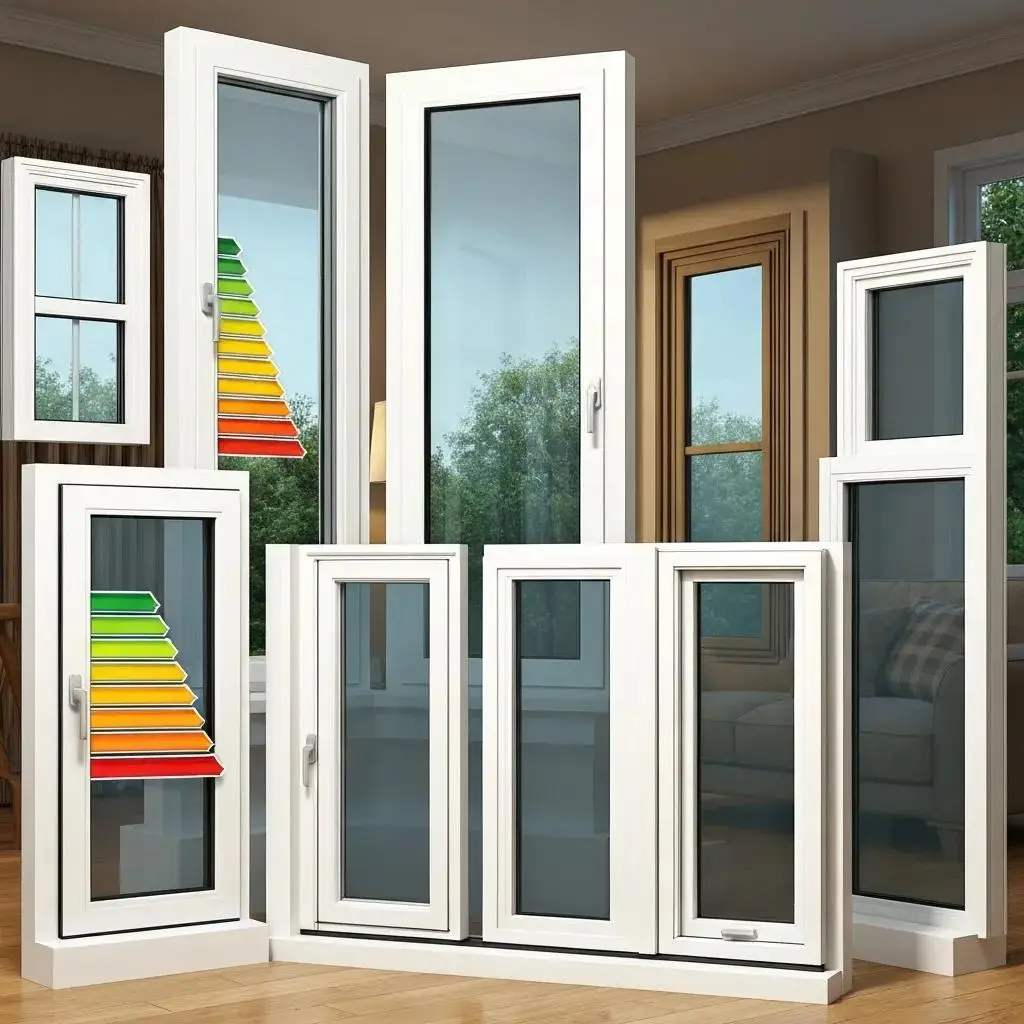
What Role Does Air Sealing Play in Energy-Efficient Window Installation?
Air sealing involves meticulously filling any gaps between the window frame and the rough opening with specialized low-expansion foam or a combination of backer rod and caulk. This crucial step effectively prevents convective heat loss and the infiltration of outside air, leading to a marked improvement in insulation performance and a significant reduction in drafts.
How Do U-Factor and R-Value Affect Window Energy Efficiency?
The U-factor is a measurement of the rate of heat transfer through the window assembly; lower U-factor values signify superior insulation performance. The R-value, conversely, is the reciprocal of the U-factor and represents the resistance to heat flow. Selecting windows with a low U-factor and a high R-value is key to optimizing your home’s thermal envelope and reducing the workload on your HVAC system.
Which Energy-Efficient Window Types Should You Choose?
The following table provides a concise summary of key options and their associated benefits.
| Window Type | Feature | Benefit |
|---|---|---|
| Low-E Coated Glass | Features a reflective metallic coating | Effectively minimizes radiant heat gain |
| Argon Gas Fill | Inert gas sealed between glass panes | Significantly reduces conductive heat transfer |
| Vinyl Frames | Constructed with thermal break materials | Prevents heat loss through the frame itself |
| Fiberglass Frames | Offers exceptional dimensional stability | Maintains seal integrity over extended periods |
What Installation Techniques Improve Thermal Performance?
To enhance thermal performance, ensure continuous insulation surrounds the frame, avoid compressing the foam sealant, and maintain proper flashing overlaps to eliminate thermal bridges. Installing insulated jamb extensions and utilizing high-performance sealants further bolster the thermal barrier.
The Importance of Proper Window Installation for Energy Efficiency
Even windows boasting exceptional energy efficiency can lead to a drafty home and condensation issues if they are not installed correctly. Substandard installation can effectively negate any energy-saving benefits a window offers, highlighting that a window’s efficiency is only as effective as its installation.
This statement powerfully reinforces the article’s central point: professional installation techniques are absolutely crucial for maximizing energy efficiency and preventing common problems like drafts, even when using high-quality windows.
Crafting Energy-Efficient Windows: Expert Installation Insights
What Is Full-Frame Window Replacement and Its Benefits?
Full-frame replacement involves the complete removal of the existing window unit and its surrounding trim, exposing the underlying studs and sheathing. This comprehensive method is ideal for correcting structural defects, allowing for necessary rough opening adjustments, and ensuring the most effective flashing installation for maximum performance.
How Does Insert Window Replacement Differ and When Is It Suitable?
Insert replacement, also known as pocket replacement, retains the original window frame while replacing only the sashes and glass. This method is particularly suitable when the existing frame is structurally sound, as it minimizes disruption to both the interior and exterior of your home and can reduce labor costs.
What Are New Construction Window Installation Techniques?
New construction installations integrate a specialized nailing flange directly into the rough opening during the framing stage. This method ensures precise accommodation of structural loads and seamless integration with the building wrap and flashing before the exterior siding is applied.
How Do Installation Methods Impact Home Structure and Appearance?
The selection of the appropriate installation method significantly influences load distribution, moisture management strategies, and the compatibility of interior and exterior trim. Full-frame replacement provides an opportunity for comprehensive upgrades to insulation and flashing, while insert methods are excellent for preserving original trim and maintaining historical aesthetic continuity.
What Are the Best Window Installation Practices for New Jersey and Pennsylvania Homes?
What Local Building Codes and Regulations Affect Window Installation?
State and municipal building codes in New Jersey and Pennsylvania typically reference the International Residential Code (IRC) for essential requirements, including minimum U-factor standards, permissible water infiltration limits, and egress safety standards. Strict compliance ensures safety, eligibility for potential rebates, and a smooth permitting process.
How Does the Regional Climate Influence Installation Techniques?
The harsh Northeast winters necessitate the use of robust flashing systems, high-grade sealants specifically rated for subzero temperatures, and meticulous attention to condensation control. During humid summers, it’s crucial to focus on proper weep hole function and effective drainage paths to prevent moisture buildup.
How Does Azinex Construction Ensure Structural Integrity and Safety?
Azinex Construction rigorously implements industry-standard inspection protocols at every critical installation phase, from initial pre-installation framing checks to the final validation of the weather barrier. This meticulous approach guarantees full compliance with all local codes and maximizes the long-term durability and safety of your windows.
What Are Common Regional Installation Challenges and Solutions?
The freeze–thaw cycles prevalent in this region can compromise the adhesion of flashing materials; installers effectively counter this by employing cold-weather-rated membranes and specialized liquid flashing. Coastal or urban environments with higher pollution levels may cause sealants to degrade more rapidly, which is why high-performance polyurethane caulks are specified to maintain unwavering seal integrity.
How Much Does Professional Window Installation Cost and What Is the ROI?
What Factors Influence Window Installation Pricing?
- The type of window material and its energy-efficiency rating
- The scope of the removal process (full-frame versus insert replacement)
- The complexity involved in flashing and sealing the installation
- Regional labor rates and applicable permitting fees
How Do Energy-Efficient Installations Lead to Long-Term Savings?
Investing in windows with a low U-factor and ensuring meticulous air sealing can lead to substantial reductions in heating and cooling expenses, often ranging from 15% to 25% annually. Over the entire lifespan of the windows, these accumulated savings frequently recoup a significant portion of the initial installation costs.
Guide to Energy-Efficient Windows
Upgrading to ENERGY STAR qualified windows can result in considerable annual savings on household energy bills, typically between 7% and 15%, or approximately $71 to $501, depending on variables such as your geographic location and the specific type of window being replaced.
This authoritative research directly corroborates the article’s assertions regarding the quantifiable long-term savings and the impressive return on investment achievable through energy-efficient window installations.
What Financing Options and Warranties Are Available?
Numerous manufacturers and installers offer flexible financing plans, along with access to valuable tax credits and rebate programs designed to help offset upfront expenses. Warranties typically provide coverage for issues such as glass seal failure, frame integrity, and labor for specified durations, offering invaluable peace of mind for your investment.
What Are the Most Common Window Installation Problems and How Can You Avoid Them?
How Does Improper Flashing Cause Leaks and Drafts?
When flashing seams are improperly aligned or overlaps are insufficient, water can easily penetrate the building envelope, leading to detrimental wood rot and interior moisture issues. Maintaining consistent shingle-pattern overlaps and meticulously sealing all seams are crucial preventative measures against these vulnerabilities.
What Are the Signs of Poor Air Sealing and Insulation?
Noticeable drafts around the window perimeter, uncomfortable cold spots on interior walls, and unexpectedly elevated energy bills are all strong indicators of inadequate air sealing. A thorough visual inspection for any gaps, combined with the use of a thermal camera, can effectively identify heat leaks.
How Can Professional Installation Prevent Energy Loss and Damage?
Certified installers expertly apply low-expansion foam, backer rods, and high-grade sealants to eliminate all potential gaps. By combining precise flashing techniques, correct fastener torque, and comprehensive finishing procedures, professionals effectively mitigate the most common points of failure.
When Should You Call a Professional for Window Installation?
It is highly recommended to engage a professional installer if you observe persistent drafts, experience difficulty operating your windows, notice visible water stains, or suspect that a previous installation was performed improperly. Prompt intervention by a qualified professional can significantly reduce future repair costs and prevent potentially serious structural damage.
Ensuring professional-grade window installation techniques will profoundly enhance your home’s comfort, optimize its energy performance, and elevate its curb appeal. For personalized guidance and a no-obligation estimate, we invite you to explore Azinex Construction’s expert window installation services and schedule a complimentary consultation with our certified professionals.