A local siding contractor near Lawrence Township, NJ specializes in exterior siding for homes and businesses and knows the region’s weather, codes, and homeowner expectations. This guide explains why choosing local expertise matters — from code knowledge and climate‑appropriate materials to faster repairs and better long‑term value. You’ll find practical benefits, the range of residential and commercial siding services, the best material options for Mercer County’s conditions, how pros decide between repair and replacement, and what to expect during installation. We also walk through how to select a contractor and why a licensed, insured local provider helps with permits, warranties, and follow‑up service. If you’re researching trusted siding contractors in Lawrence Township, this article gives you the right questions to ask and the decision points that protect your property investment.
What are the key benefits of hiring a local siding contractor in Lawrence Township, NJ?
Hiring a local siding contractor brings practical, location‑specific advantages: better material choices for our climate, quicker responses for repairs, and local accountability you won’t get from a distant company. Local crews know how humid summers, freeze‑thaw cycles, and seasonal storms affect siding systems, and they detail flashing, underlayment, and ventilation to prevent common failures. They’re also familiar with Lawrence Township permit requirements and inspection norms, which helps keep projects on schedule and avoids unnecessary rework. And when warranty work or storm damage happens, nearby teams can respond fast because they already work with local suppliers and inspectors.
The main practical benefits include:
- Deep knowledge of local weather patterns and typical damage modes to guide material and detailing choices.
- Experience with Lawrence Township permitting and inspection processes to minimize delays.
- Faster response for warranty claims, storm repairs, and on‑site troubleshooting.
- Personalized service and reputation‑driven accountability within the community.
Those advantages lower long‑term maintenance costs and keep curb appeal high. Viewing contractors through a local‑experience lens—rather than purely on price—helps homeowners and property managers choose teams who deliver lasting results, which leads into how local expertise improves installation quality.
How does local expertise improve siding installation quality?
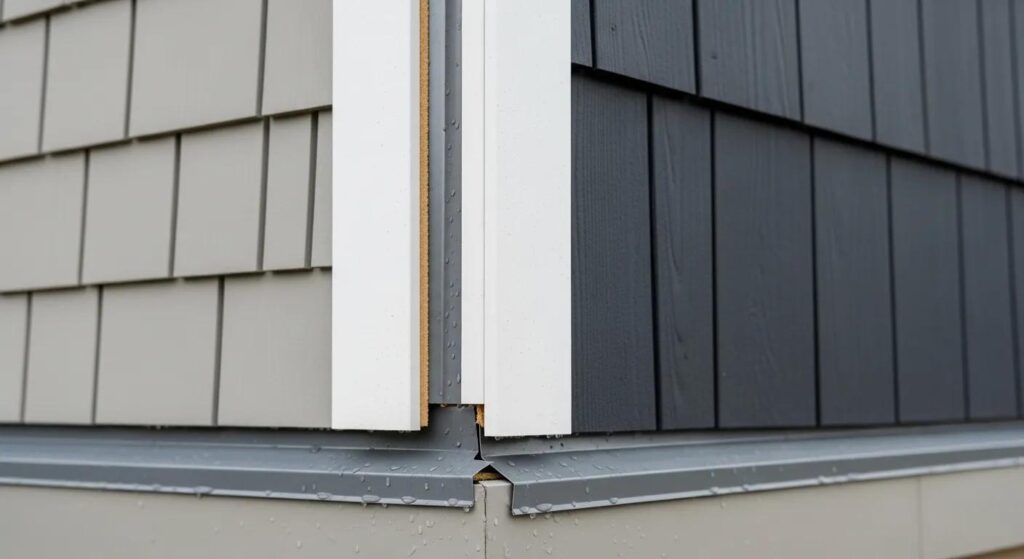
Local contractors align material selection and installation details with the stresses common in Mercer County. Installers who work here routinely address freeze‑thaw movement, high humidity, and wind‑driven precipitation, and they choose siding panels, flashing, and underlayment to match those conditions. Correctly installed trim, properly integrated window and door flashings, and effective drainage planes keep water out and reduce mold risk, which extends service life. For example, adding a vented rainscreen on a wood‑frame home can relieve trapped moisture and slow paint and substrate deterioration in humid months. These practical choices cut callbacks and improve energy performance — and they’re why local code familiarity matters for smooth permitting and inspections.
Why is familiarity with Lawrence Township building codes essential?
Knowing Lawrence Township building codes matters because noncompliance can cost you time and money through rework, failed inspections, or permit delays. Local contractors understand which siding changes need permits, typical inspection touchpoints, and the paperwork inspectors expect. That competence speeds municipal coordination and helps resolve code questions quickly. Ask a contractor about recent jobs that passed local inspection to confirm their permitting experience and reduce administrative risk.
Which residential and commercial siding services does a trusted Lawrence Township contractor provide?
A reliable local contractor offers a full range of siding services for both homes and businesses: new siding installation, full replacements, targeted repairs, storm restoration, and related exterior upgrades. Many teams combine siding with window and door replacement or roofing work to create a weather‑tight system and maximize efficiency. During estimates they’ll evaluate existing substrates, recommend insulation upgrades, and propose systems suited to building type and budget. Knowing a contractor’s service scope helps you plan combined projects that save time and reduce disruption.
Common residential and commercial services include:
- Complete residential siding installation and exterior renovation to boost curb appeal and thermal performance.
- Targeted siding repairs and patching after storm damage or localized deterioration.
- Commercial cladding and façade systems engineered for durability, fire ratings, and phased installation.
With service options clear, owners can prioritize aesthetic and operational needs. If you want a local provider that can handle siding, roofing, and windows under one contract, Azinex Construction offers free estimates and financing options and is an example of a licensed, insured local team in the area.
What residential siding installation options are available in Lawrence Township?
Typical options for Lawrence Township homes include vinyl siding, fiber cement panels, and insulated composite systems. Each has trade‑offs in durability, maintenance, and cost. Vinyl is cost‑effective and low‑maintenance with many style choices. Fiber cement resists impact and meets higher fire‑rating needs while offering long‑term dimensional stability. Insulated composite siding adds continuous insulation for better thermal performance and can lower energy bills when installed correctly. Home style, budget, and maintenance preference should guide material selection, along with warranty terms and installer quality.
How do commercial siding solutions address business needs locally?
Commercial siding focuses on durability, code compliance, and minimizing business disruption. Contractors commonly use metal panels, fiber cement, or engineered cladding with noncombustible options to satisfy code and insurance requirements. Phased work, off‑hours installation, and modular deliveries help keep tenants and operations running. Asking about a contractor’s experience with local commercial permits and phased schedules will show whether they can protect your business while meeting municipal inspection timelines.
What are the best siding materials for Lawrence Township homes and businesses?
Choosing the best siding depends on climate resilience, upkeep expectations, aesthetic goals, and budget. In Lawrence Township, evaluate how materials perform against humidity, temperature swings, impacts, and fire codes. Vinyl has lower upfront cost and easy maintenance; fiber cement gives superior durability and fire resistance; insulated composite siding delivers the best thermal gains with continuous insulation. Comparing these characteristics helps owners align material choice with lifecycle costs and project goals.
| Material | Durability | Maintenance | Cost | Energy Performance |
| Vinyl siding | Moderate — resists rot but can dent | Low — periodic washing | Lower upfront cost | Modest unless insulated backing is used |
| Fiber cement | High — resists impact and moisture | Moderate — occasional repainting | Mid to higher upfront cost | Good when paired with insulated sheathing |
| Composite insulated siding | High — built for long service life | Low to moderate depending on finish | Higher upfront cost | Best for continuous insulation and reduced thermal bridging |
This table highlights trade‑offs between initial investment and long‑term performance so you can plan lifecycle costs and maintenance. Below we dive into vinyl and fiber cement specifics to help with your choice.
What are the advantages of vinyl siding in New Jersey‘s climate?
Vinyl siding is popular in New Jersey because it’s affordable, low‑maintenance, and available in many profiles and colors to match a variety of home styles. It resists rot and insect damage and typically needs only occasional washing to look good. Vinyl can dent and will expand or contract with temperature, so proper fastening and ventilation during installation are important to maintain dimensional stability. For homeowners who want attractive, low‑maintenance cladding, correctly installed vinyl is a sensible, practical option.
How does fiber cement siding enhance durability and energy efficiency?
Fiber cement is a dense composite that resists moisture, impact, and pests and usually meets higher fire‑resistance standards than many plastic claddings. It holds paint well and can be refreshed without replacing panels, extending curb appeal and lifespan. When combined with insulated sheathing or a continuous‑insulation strategy, fiber cement improves wall R‑values and reduces thermal bridging for better year‑round comfort. Although fiber cement costs more up front and needs professional installation, many homeowners find the long‑term durability and lower life‑cycle maintenance make it a smart investment.
How can a local contractor assist with siding repair and replacement in Lawrence Township, NJ?
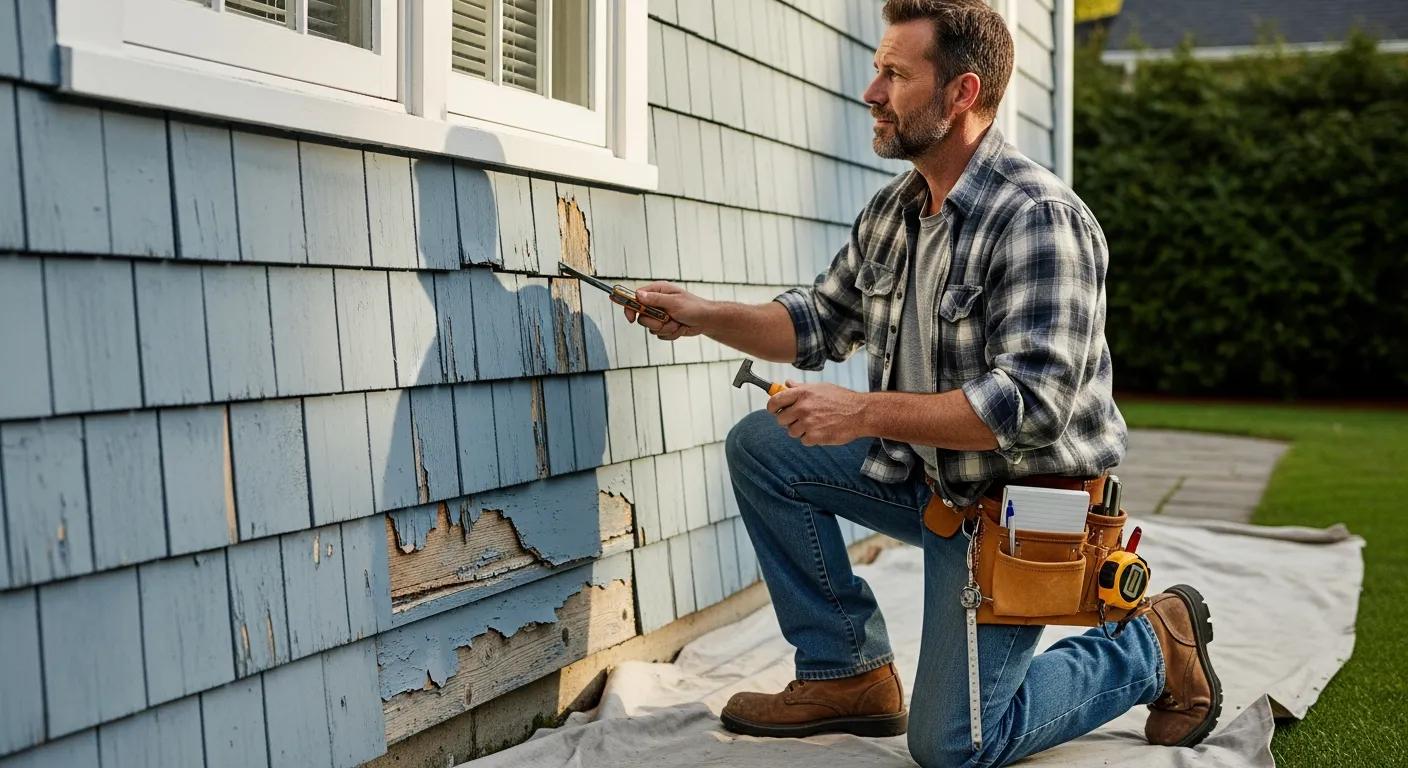
A local contractor simplifies repair and replacement by running a thorough diagnosis and recommending either targeted repairs or full‑system replacement based on life‑cycle value. Pros check visible damage, substrate condition, and insulation to decide the most cost‑effective path. They handle permits, manage debris disposal, and sequence work to limit weather exposure. Working with local suppliers shortens lead times and helps coordinate trades for both emergency and planned projects, lowering disruption and overall cost.
| Issue | Repair vs Replace (Cost, Lifespan, Disruption) | Recommendation |
| Localized cracking or loose panels | Lower cost, short‑term lifespan, minimal disruption | Repair with patching and sealing |
| Widespread rot or substrate failure | Higher cost if replaced, longer lifespan, moderate disruption | Replace siding and repair substrate |
| Chronic moisture intrusion | Moderate to high cost, ongoing risk if only repaired | Replace siding and improve drainage and flashings |
| Outdated insulation and draftiness | Repair offers temporary relief; replace improves long‑term energy | Replace with upgraded sheathing and insulation |
Use this decision matrix to balance up‑front cost, expected lifespan, and site disruption. Spotting common damage early makes repair cheaper and less invasive, which we cover in the next section.
What are common signs that indicate the need for siding repair?
Look for visible cracking, warped or buckling panels, interior moisture stains, insect activity near seams, and drafts or cold spots that point to failing insulation. Spikes in energy bills or musty smells in basements and attics can also indicate exterior air or moisture intrusion. If several symptoms appear across different elevations, schedule a full inspection to check substrate and flashing. Early detection through routine checks reduces repair scope and cost.
How does a local contractor ensure efficient and cost‑effective siding replacement?
A local contractor keeps replacement efficient by planning work, sourcing materials in bulk from nearby suppliers, and sequencing crews to minimize time on site. They coordinate related trades—such as window installers—to combine scopes and save labor, and they can stage phased upgrades when budgets require spreading costs. Responsible cleanup, proper disposal, and clear change‑order procedures reduce surprises and help projects finish on time with predictable outcomes.
What should you expect from the siding installation process with a trusted Lawrence Township contractor?
Expect a clear, step‑by‑step process: initial consultation, measurements and a written estimate, permitting, material ordering, site prep and any substrate repairs, installation, inspections, and a final walkthrough with warranty and maintenance guidance. A professional contractor outlines material options, notes substrate condition, and provides a detailed schedule and scope. Estimates usually break out materials, labor, permits, and contingencies so you can compare bids fairly. Regular communication checkpoints keep everyone aligned throughout the project.
| Cost Factor | Driver | Typical Impact on Price |
| Material selection | Type and grade of siding | High — material is often the largest line item |
| Square footage | Total wall area to be covered | High — more area increases materials and labor proportionally |
| Labor complexity | Height, detailing, trim work | Medium to high — complex roofs and trim add labor hours |
| Permits and inspections | Local fee structures and required checks | Low to medium — varies by municipality |
| Substrate repairs | Rot, sheathing, or framing fixes | Medium to high — hidden repairs add cost |
This table shows which items most influence estimates and helps you ask focused questions when comparing bids. The next section explains the estimate process and how to move from consultation to completion, along with an invitation to get a local quote.
How is a free siding estimate provided and what factors affect cost?
A free estimate begins with an on‑site visit where the contractor measures wall areas, inspects substrate and flashings, and notes access and safety needs. The proposal itemizes materials, labor, disposal, permit fees, and any recommended substrate repairs so you get a transparent price. Common cost drivers include large wall area, intricate trim, necessary structural repairs, and premium materials. When comparing estimates, ask for a line‑item breakdown and whether financing is available to manage upfront cost.
If you’re ready for a no‑obligation quote, Azinex Construction provides free estimates and offers financing; call Azinex Construction at 609-575-5055 to schedule a consultation and discuss scope and timing. That step lets you compare local proposals with clear information about the cost drivers above.
What steps are involved from project consultation to completion?
Projects usually follow this sequence: consultation and scope definition, measurement and written contract, permitting and material ordering, site preparation and substrate repairs, siding installation and quality checks, final walkthrough and punch list, then warranty documentation and maintenance guidance. Each phase includes client touchpoints such as signing contracts, approving material samples, and scheduling inspections. Timeframes vary with season and permit backlogs, so contractors coordinate timing to limit weather exposure and occupant disruption. Clear communication at each milestone keeps expectations aligned and minimizes surprises.
Why choose Azinex Construction as your local siding contractor in Lawrence Township, NJ?
Azinex Construction is a licensed, insured general contractor serving Lawrence, NJ and surrounding areas. We specialize in exterior home improvements — roofing, siding, windows, and doors — and work across Mercer County (including Lawrence Township) plus parts of Burlington, Camden, and Gloucester counties in New Jersey and Bucks County, PA. Azinex offers free estimates and financing and focuses on quality workmanship, clear communication, and customer satisfaction. Those local strengths help us handle residential and commercial siding projects while managing permits and logistics efficiently.
Azinex’s local credentials and services include:
- Licensed and insured general contractor status to support municipal permitting and inspections.
- Manufacturer affiliations and EPA lead‑awareness practices noted in local listings.
- Service coverage across Mercer County neighborhoods and nearby counties to meet local demand.
These facts give you a clear basis to evaluate Azinex alongside other local options and underline the value of hiring a certified local contractor for siding work in Lawrence Township.
What certifications and experience does Azinex Construction offer?
Public listings indicate Azinex Construction holds the licensing and insurance required for general contracting and maintains certifications tied to recognized manufacturer programs and industry standards. Reported credentials include affiliations with brands like GAF and CertainTeed and adherence to EPA lead‑safe practices, which reflect professional installation methods and regulatory compliance. The company also advertises free estimates and financing to help homeowners plan projects with transparent costs. These credentials make it straightforward to verify contractor qualifications during your selection process; see About Azinex Construction for more details.
How do customer testimonials reflect Azinex’s commitment to quality and satisfaction?
Available reviews highlight consistent workmanship, clear communication, and timely completion—qualities homeowners value when hiring locally. We encourage prospective clients to read verified customer feedback and request references, and to share their own experience after a project to help maintain community accountability. Combining testimonials with licensing and certifications gives a fuller picture of a contractor’s local reputation and reliability on warranties and follow‑up service.
Frequently Asked Questions
1. How can I determine if a local siding contractor is reputable?
Start with online reviews on Google, Yelp, and other local directories, looking for consistent praise about workmanship, communication, and timeliness. Ask the contractor for references and verify their license and insurance. Local community groups and neighborhood forums can also provide firsthand feedback about a contractor’s reputation.
2. What should I ask during the initial consultation with a siding contractor?
Ask about similar past projects, their material recommendations and why, how they handle permits and inspections, warranty terms, project timelines, and the process for unexpected issues. Discuss payment terms and whether financing is available so you understand cost options up front.
3. What are the typical costs associated with siding installation?
Siding costs vary widely based on material, home size, and any necessary structural repairs. Typical projects can range from a few thousand dollars up to higher‑end installations. Get detailed, line‑item estimates from multiple contractors to compare materials, labor, permits, and contingencies.
4. How long does the siding installation process usually take?
Simple installations can take a few days to a couple of weeks. Timelines depend on project complexity, siding type, substrate repairs, and weather. Your contractor should provide a schedule and communicate changes as the project progresses.
5. What maintenance is required for different types of siding materials?
Maintenance varies by material: vinyl needs occasional washing; fiber cement may require repainting every 5–10 years depending on exposure; insulated composite siding generally requires low maintenance but should be inspected periodically. Knowing the required upkeep helps preserve your siding and protect your investment.
6. How can I prepare my home for siding installation?
Clear the work area of furniture, decorations, and plants; keep pathways free for workers and deliveries; let neighbors know about upcoming work; and secure pets indoors. Your contractor will share any additional site‑specific instructions before work begins.
7. What should I do if I notice issues with my siding after installation?
Contact your contractor right away, document the problem with photos, and keep records of all communications. Most reputable contractors offer warranties that cover workmanship or material defects; prompt reporting ensures repairs happen quickly and effectively.
Conclusion
Choosing a local siding contractor in Lawrence Township gives you climate‑aware installation, code familiarity, and faster, community‑focused service that protect your home or business for the long term. A trusted local team like Azinex Construction combines licensed, insured expertise with clear communication and practical project management to safeguard your investment. Ready to start? Contact Azinex Construction for a free estimate and take the first step toward a durable, well‑installed siding project.