Essential Roof Maintenance Tips for New Jersey Homeowners
A single missed roof inspection can lead to thousands of dollars in unexpected repairs. With New Jersey’s varied climate—from coastal storms to heavy snowfalls—proactive roof upkeep is the most reliable way to safeguard your home and extend your roof’s lifespan. This guide delivers actionable roof maintenance strategies, covering inspection frequency, common roof issues, seasonal checklists, gutter care, attic ventilation, professional intervention points, material selection, lifespan extension tactics, and ice dam prevention. As New Jersey and Pennsylvania exterior renovation specialists, Azinex Construction integrates local expertise and certified roofing services to help you maintain a durable, leak-free roof for years to come.
How Often Should New Jersey Homeowners Inspect Their Roofs?
Annual roof inspections detect early signs of deterioration before minor issues escalate into major repairs. A roof inspection involves a systematic check of shingles, flashing, gutters, and attic spaces to assess structural integrity and pinpoint damage. For New Jersey homeowners, timely inspections promote roof longevity and prevent leaks that compromise interior finishes and insulation.
Homeowners should arrange two annual inspections—typically in spring and fall—to align with weather transitions.
National Roofing Contractors Association (NRCA), “Roof Inspection Guide” (2024)
Scheduling one inspection in early spring addresses winter damage, while a fall check prepares the roof for snow and ice conditions. After severe storms or high winds, an additional spot inspection ensures shingles and flashing remain intact.
What Are the Recommended Roof Inspection Schedules in New Jersey?
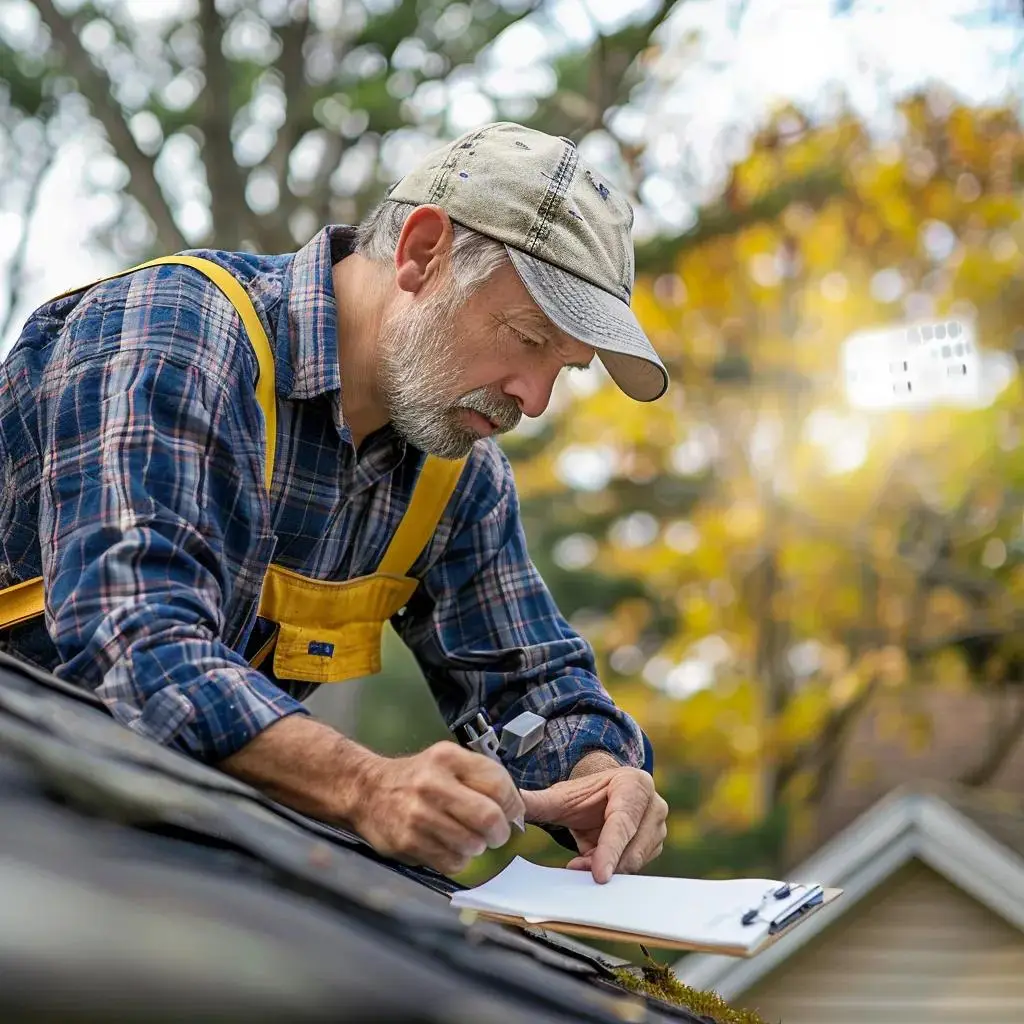
- Early Spring (March–April): Identify winter-related damage such as cracked shingles or ice dam scars.
- Mid-Summer (July): Assess heat-related wear and inspect for granule loss on asphalt shingles.
- Early Fall (September–October): Check for storm damage and clear debris before winter.
- Post-Storm Spot Checks: Inspect immediately after hurricanes, nor’easters, or hailstorms.
These inspections seamlessly transition into seasonal maintenance practices that optimize roof resilience through every weather cycle.
How Do Seasonal Changes Affect Roof Inspection Timing?
Seasonal weather shifts influence roof vulnerabilities. Warm, humid summers can accelerate algae growth, while frigid winters risk ice dams that lift shingles. Spring inspections focus on shingle wear and gutter blockages, whereas fall inspections emphasize clearing leaves and reinforcing flashing against sleet and snow. Timing inspections with these seasonal patterns ensures targeted attention to the most pressing risks.
When Should You Schedule a Professional Roof Inspection?
While DIY checks catch obvious issues, professional roof inspections leverage trained eyes, specialized equipment, and infrared scanning to uncover hidden problems. Homeowners should call certified roofing contractors when:
- The roof is older than 10 years.
- Visible wear, leaks, or sagging appear.
- After major storms or hail events.
- You plan to file an insurance claim.
Professional inspections provide a detailed report with repair recommendations and warranty guidance, guaranteeing your roof remains protected under local codes.
What Are the Most Common Roof Problems for New Jersey Homes?
New Jersey roofs face an array of challenges—leaks, missing shingles, cracks, ice dams, biological growth, animal intrusions, and flashing failures can all compromise performance. Recognizing these issues early prevents water infiltration that damages decking, insulation, and interior ceilings.
Before diving into solutions, this table summarizes key problems, their primary causes, and immediate consequences:
| Entity | Primary Cause | Immediate Consequence |
|---|---|---|
| Leaks | Damaged shingles or cracked flashing | Water stains and mold growth |
| Missing Shingles | High winds or storm debris | Underlayment exposure |
| Cracks | Thermal expansion and osmotic stress | Structural weakening |
| Ice Dams | Poor attic insulation and ventilation | Water infiltration under eaves |
| Moss & Algae | Shaded, moisture-retentive areas | Shingle degradation |
| Animal Intrusions | Birds, squirrels nesting under eaves | Displaced underlayment |
| Flashing Failure | Rust, sealant deterioration | Water seepage at joints |
This overview leads into specific detection and remediation techniques for each problem category.
How to Identify Signs of Roof Damage: Leaks, Missing Shingles, and Cracks
Roof damage often starts small: a single curled shingle edge, a barely visible crack in flashing, or a tiny wet spot on your attic ceiling. Look for:
- Interior Water Stains: Yellowish spots on ceilings or walls.
- Granule Loss: Accumulation of granules in gutters signals asphalt shingle wear.
- Shingle Gaps or Curling: Wind-torn edges or corners lifting away from the roof deck.
Early identification accelerates repairs and prevents secondary damage, guiding you toward targeted maintenance measures.
What Causes Ice Dams and How Do They Affect Your Roof?
Ice dams form when attic heat melts rooftop snow, which refreezes at colder eaves, creating ridges of ice that trap meltwater. Trapped water then seeps beneath shingles, leading to:
- Underlayment delamination
- Soffit and fascia damage
- Interior water intrusion
Preventing ice dams relies on optimal attic insulation and ventilation to maintain uniform roof temperatures, which we explore later in the attic ventilation section.
How Do Moss, Algae, and Animal Intrusions Impact Roof Health?
Persistent moss and algae hold moisture against shingles, accelerating deterioration and fostering rot. Similarly, birds and squirrels nest under loose shingles, dislodging underlayment and creating entry points for pests.
Regular cleaning and wildlife barriers mitigate these biological and animal-related threats.
What Are Flashing Failures and How Can They Be Prevented?
Flashing—metal strips around chimneys, vents, and valleys—creates critical waterproof seals. When sealant cracks or metal corrodes, water penetrates junctions between roofing materials. Prevent flashing failures by:
- Inspecting sealant conditions annually
- Replacing rusted flashing with corrosion-resistant alloys
- Applying weatherproof coatings around vulnerable areas
Preventive flashing care reinforces roof integrity and deters costly leaks.
What Are the Best Seasonal Roof Maintenance Practices for New Jersey?
Seasonal maintenance aligns roof tasks with climate demands, ensuring each weather cycle leaves your roof ready for the next. A seasonal strategy balances horizontal coverage—covering all task types—and vertical depth—addressing detailed procedures.
What Should You Include in a Spring Roof Maintenance Checklist?
Spring clean-up revitalizes roofs after long winters. Key tasks include:
- Clearing debris and leaves from valleys and gutters
- Inspecting shingles for winter cracks and granule loss
- Examining attic for signs of ice dam damage
This checklist removes moisture traps and prepares roofs for storm seasons, setting the stage for summer resilience.
How Can You Protect Your Roof During New Jersey Summers?
Summer maintenance focuses on heat and moisture control:
- Trim Overhanging Branches: Prevent limb damage and shade-induced moss growth.
- Check Ventilation Ports: Ensure soffit and ridge vents are unobstructed.
- Inspect Sealants: Look for UV-degraded caulking around vents and skylights.
By improving airflow and reducing shaded damp areas, summer care extends shingle life and deters algae buildup.
What Fall Preparations Are Essential for Roof Longevity?
As leaves fall, gutters and valleys can clog, risking water backup and ice dam formation. Fall tasks:
- Gutter Clearance: Remove leaves and sediment.
- Roof Rinse: Wash away built-up algae and dirt.
- Sealpenetrations: Tighten flashing and reseal around vent pipes.
Thorough fall preparations prevent moisture retention and ice dams, bridging into winter readiness.
How Do You Safely Maintain Your Roof During New Jersey Winters?
Winter maintenance prioritizes safety and emergency prevention:
- Snow Raking: Use a roof rake from the ground to remove heavy snow loads.
- Ice Melt Systems: Install electric heat cables along eaves to prevent damming.
- Emergency Inspection: After major snowfall, visually inspect gutters and downspouts for ice buildup.
These winter measures protect roof structure and minimize hidden damage risk.
How Does Proper Gutter Cleaning Benefit Roof Health in New Jersey?
Clogged gutters are a primary cause of roof and foundation damage in New Jersey’s climate. Gutters channel runoff away from the roof edge, preventing water backup that can seep under shingles or pool at the foundation.
| Entity | Attribute | Value |
|---|---|---|
| Gutter | Function | Directs rainwater away from roof |
| Clogged Gutter | Cause | Leaves, twigs, and debris |
| Water Overflow | Effect | Roof edge rot and siding damage |
| Clean Gutters | Benefit | Prevents leaks and structural decay |
Regular gutter maintenance preserves roof flashing and supports foundation health by ensuring consistent water discharge.
Why Are Clogged Gutters a Major Cause of Roof Damage?
Leaves and debris trap moisture, causing water to pool against fascia boards and under shingles. Persistent pooling accelerates wood rot and compromises underlayment, leading to interior leaks. Preventing debris accumulation is foundational to roof health.
What Are the Best Practices for Gutter Cleaning and Maintenance?
Effective gutter care follows a clear process:
- Protective Measures: Wear gloves and eye protection before removing debris.
- Manual Clearing: Scoop sediment by hand, then flush gutters with a garden hose.
- Downspout Check: Run water through downspouts to confirm unobstructed flow.
Frequent cleaning preserves gutter capacity and prevents corrosion, ensuring water moves freely off the roof edge.
How Often Should Gutters Be Cleaned in New Jersey’s Climate?
In New Jersey, gutters require cleaning at least:
- Twice Annually: Once in spring and once in late fall.
- Quarterly for Heavily Treed Properties: Every three months if trees overhang the roof.
These intervals align with leaf-drop seasons and ensure uninterrupted drainage through all weather conditions.
Why Is Attic Ventilation Critical for Roof Maintenance in New Jersey?
Attic ventilation balances heat and moisture control by exchanging warm attic air with outside air, reducing shingle temperature extremes and preventing moisture buildup. Effective ventilation supports shingle durability, curbs energy costs, and mitigates ice dam formation.
U.S. Department of Energy, “Insulation and Ventilation” (2023)
How Does Attic Ventilation Prevent Ice Dams and Roof Damage?
Continuous airflow through properly sized soffit and ridge vents keeps attic temperatures closer to outdoor conditions, preventing uneven snowmelt that leads to ice dams. Cooler attics also reduce moisture condensation that can rot roof decking.
What Are Signs of Poor Attic Ventilation?
Look for these indicators:
- Sagging or damp insulation layers.
- Mold or mildew growth on rafters.
- Excessive attic heat in summer.
How Can Homeowners Improve Attic Ventilation Effectively?
Enhance airflow by:
- Installing Balanced Soffit and Ridge Vents: Promotes continuous air exchange.
- Adding Gable or Turbine Vents: Supplements passive ventilation in larger attics.
- Ensuring Attic Hatch Seals: Prevents conditioned air leakage and reduces heat transfer.
Targeted ventilation upgrades reduce roof temperature differentials, directly impacting overall roof performance.
When Should New Jersey Homeowners Call Professionals for Roof Maintenance?
Professional roof maintenance services combine expert inspection, repair, and preventive care to address issues beyond typical homeowner capabilities. Scheduling professional support at key intervals protects warranties and secures long-term performance.
What Are the Benefits of Hiring a Roofing Contractor for Inspections and Repairs?
Certified roofing contractors offer:
- Technical Expertise: Accurate identification of hidden damage.
- Safety Compliance: Proper use of fall protection and equipment.
- Warranty Assurance: Repairs performed per manufacturer guidelines.
These advantages translate into lasting roof performance and peace of mind.
How Much Does a Professional Roof Inspection Cost in New Jersey?
Inspection costs vary with roof size, pitch, and complexity. Typical price ranges include:
| Service | Price Range | Coverage |
|---|---|---|
| Basic Roof Inspection | $150 – $300 | Visual inspection of exterior |
| Infrared Inspection | $300 – $600 | Attic moisture and heat scan |
| Full Maintenance Plan | $400 – $900 | Inspection plus minor repairs |
Investing in professional assessments prevents expensive emergency repairs and maintains manufacturer warranties.
What Emergency Roof Repair Situations Require Immediate Professional Help?
Seek urgent roofing assistance when you notice:
- Active leaks during rainfall.
- Sagging or uneven roof planes.
- Large areas of missing shingles or exposed underlayment.
Rapid professional intervention curtails interior water damage and structural risks.
Which Roofing Materials Are Best Suited for New Jersey’s Climate?
Selecting the right roofing material balances durability, maintenance demands, and energy efficiency. Below is a comparative analysis of top materials for NJ homes:
| Material | Feature | Benefit | Maintenance Requirement | Ideal Use Case |
|---|---|---|---|---|
| Asphalt Shingles | Cost-effective lifespan | 20–30 years durability | Biannual inspections | Suburban single-family |
| Metal Roofing | High durability | 40–70+ years, reflective energy efficiency | Remove debris, check fasteners | Coastal and rural areas |
| Composite Slate | Aesthetic longevity | Mimics natural slate with 50+ years life | Clean and inspect annually | Historic or luxury homes |
| Rubber Roofing | Storm resistance | Flexible, ponding-water safe | Debris removal | Flat or low-sloped roofs |
How Do Asphalt Shingles Perform and How Should They Be Maintained?
Asphalt shingles dominate New Jersey roofs due to affordability and ease of installation. To maintain:
- Inspect for granule loss each spring.
- Seal exposed nail heads to prevent leaks.
- Replace damaged shingles promptly.
Routine care maximizes the expected 20–30-year lifespan.
What Are the Advantages of Metal Roofing for New Jersey Homes?
Metal roofing resists wind uplift, fire, and heavy snow loads. Reflective coatings improve attic temperature control, reducing energy bills. Maintenance primarily involves clearing debris and tightening fasteners, making it a low-upkeep, long-lasting choice.
How Do Maintenance Needs Vary by Roofing Material?
Material dictates maintenance frequency:
- Asphalt: Biannual inspections and occasional shingle replacement.
- Metal: Quarterly debris removal and hardware checks.
- Composite Slate: Annual wash and sealant reapplication.
- Rubber: Semiannual cleaning to clear ponding water.
Tailored maintenance plans ensure each roof type performs optimally in New Jersey’s climate.
Maximizing Roof Lifespan: When to Schedule Professional Maintenance
Preventative maintenance extends a roof’s service life by addressing small issues before they escalate. Consistent upkeep preserves warranties and minimizes lifecycle costs.
What Preventative Maintenance Practices Significantly Reduce Repair Costs?
Implement these key actions:
- Annual Professional Inspections: Catch hidden damage early.
- Seasonal Debris Removal: Prevents moisture retention and rot.
- Prompt Flashing Repairs: Stops leaks at vulnerable junctions.
These practices proactively protect roofing assets and reduce the likelihood of major repairs.
How Does Regular Maintenance Impact Roof Warranty and Performance?
Manufacturers often require documented maintenance to honor warranties. Regular cleaning and inspections ensure:
- Warranty Compliance: Validates roof care for potential claims.
- Performance Optimization: Maintains shingle granule integrity and sealant effectiveness.
By staying on schedule, homeowners maximize warranty coverage and roof efficiency.
What Are Simple DIY Roof Maintenance Tasks Safe for Homeowners?
Homeowners can confidently perform:
- Ground-Level Gutter Cleaning: Clears minor debris without roof access.
- Visual Shingle Checks: Use binoculars to spot lifted or missing shingles.
- Downspout Flushing: Runs water to confirm proper drainage.
These accessible tasks complement professional services and reinforce overall roof health.
What Are Effective Strategies to Prevent and Remove Ice Dams on New Jersey Roofs?
Ice dams pose a serious risk of water intrusion and structural damage. Combining prevention tactics with safe removal methods protects roof integrity and interior finishes.
What Causes Ice Dams and How Can They Be Prevented?
Ice dams result from uneven roof temperatures where warm attic air melts snow and cold eaves refreeze runoff. Prevention steps include:
- Improve Attic Insulation: Seal air leaks around fixtures and attic hatches.
- Enhance Ventilation Balance: Install matching soffit and ridge vents for continuous airflow.
- Keep Gutters Clear: Ensure meltwater flows freely off the roof edge.
These measures maintain uniform roof temperatures and minimize ice buildup.
How Does Attic Insulation and Ventilation Help in Ice Dam Prevention?
Proper insulation retains living-space heat below attic floors, while adequate ventilation expels warm air. Together, they keep roof surfaces close to outdoor temperatures, eliminating the freeze-thaw cycles that form dams.
What Are Safe Methods for Ice Dam Removal?
When prevention falls short, safe removal includes:
- Calcium Chloride Socks: Place on ice dams to melt channels for drainage.
- Roof Raking from Ground: Use a non-abrasive roof rake to clear snow without climbing.
These techniques reduce ice volume without harming shingles.
When Should You Seek Professional Help for Ice Dam Issues?
Call licensed roofing professionals if:
- Ice dams exceed six inches in height.
- Meltwater has already infiltrated attic or ceiling spaces.
- DIY removal risks fall hazards or structural damage.
Expert intervention ensures safe, thorough ice dam removal and future prevention planning.
Four key practices—routine inspections, timely repairs, seasonal cleaning, and professional support—form the foundation of effective roof maintenance in New Jersey’s challenging climate. By following these best practices and leveraging Azinex Construction’s local expertise in roof inspections, repairs, and preventative services, homeowners can secure lasting protection, extend warranty coverage, and avoid costly emergency repairs. Schedule a consultation today to keep your roof in peak condition year-round.
Frequently Asked Questions
What are the signs that my roof needs immediate attention?
Homeowners should be vigilant for several warning signs indicating that their roof requires immediate attention. Look for active leaks during rainfall, sagging areas that suggest structural issues, or large patches of missing shingles. Additionally, if you notice water stains on ceilings or walls, it’s crucial to address these issues promptly to prevent further damage. Ignoring these signs can lead to costly repairs and compromise the integrity of your home.
How can I choose the right roofing material for my home?
Selecting the right roofing material involves considering factors such as durability, climate compatibility, and aesthetic preferences. In New Jersey, asphalt shingles are popular for their cost-effectiveness and ease of installation, while metal roofing offers superior durability and energy efficiency. Homeowners should also consider maintenance requirements and the expected lifespan of the materials. Consulting with a roofing professional can provide tailored recommendations based on specific needs and local conditions.
What should I do if I find mold or mildew in my attic?
If you discover mold or mildew in your attic, it’s essential to address it immediately to prevent health risks and structural damage. Start by identifying and fixing any moisture sources, such as leaks or poor ventilation. Next, remove affected materials safely, using protective gear. Consider using a mold remediation specialist for extensive infestations. Improving attic ventilation and insulation can help prevent future mold growth, ensuring a healthier environment in your home.
How can I improve my roof's energy efficiency?
Improving your roof’s energy efficiency can significantly reduce heating and cooling costs. Start by ensuring proper attic insulation to minimize heat transfer. Installing reflective roofing materials can also help keep your home cooler in summer. Additionally, maintaining adequate ventilation allows for better airflow, reducing moisture buildup and heat retention. Regular inspections and maintenance ensure that your roofing system operates efficiently, contributing to overall energy savings.
What are the benefits of regular roof maintenance?
Regular roof maintenance offers numerous benefits, including extending the lifespan of your roof, preventing costly repairs, and maintaining warranty compliance. By scheduling routine inspections, homeowners can catch minor issues before they escalate into major problems. Additionally, regular cleaning and maintenance help ensure that gutters and drainage systems function properly, reducing the risk of water damage. Overall, proactive maintenance promotes a safe and secure home environment.
When is the best time to replace my roof?
The best time to replace your roof typically depends on its condition and the local climate. Signs that indicate a roof replacement may be necessary include extensive shingle damage, leaks, or a roof that is nearing the end of its expected lifespan. In New Jersey, spring and fall are ideal seasons for roof replacement due to milder weather conditions. Consulting with a roofing professional can help determine the right timing based on your specific situation.
What should I consider when hiring a roofing contractor?
When hiring a roofing contractor, consider their experience, reputation, and licensing. Look for contractors with positive reviews and a portfolio of completed projects similar to yours. Ensure they are licensed and insured to protect yourself from liability. Additionally, ask for detailed estimates and warranties on both materials and labor. A reliable contractor will provide clear communication and be willing to answer any questions you may have throughout the process.