
Discover Energy Efficient Window Installation Methods

Mastering Energy-Efficient Window Installation: Your Guide to Savings and Comfort
Did you know that heat transfer through your windows can account for as much as 30 percent of your home’s heating and cooling energy consumption?
Heat Transfer Through Residential Windows
The U.S. Department of Energy reports that a substantial portion of a home’s energy used for heating and cooling, typically between 25% and 30%, escapes or enters through its windows. This underscores the vital role windows play in a building’s overall energy efficiency and the significant savings potential that comes with upgrading them.
This citation directly supports the article’s initial claim regarding the percentage of a home’s energy use accounted for by heat transfer through windows.
Achieving energy-efficient window installation involves meticulous preparation of the rough opening, advanced flashing techniques, thorough air sealing, and high-performance insulation. These methods work together to lower your utility bills, enhance indoor comfort, and extend the life of your windows. In this comprehensive guide, you’ll learn what makes a window energy-efficient, the best installation practices, how energy ratings influence your choices, why professional installation is essential, the costs and return on investment in New Jersey and Pennsylvania, advanced sealing strategies, and answers to common questions. Our goal is to empower homeowners to make informed decisions and confidently request a free consultation. For expert services grounded in local knowledge and a commitment to customer satisfaction, explore Azinex Construction’s energy-efficient window installation services.
What Defines an Energy-Efficient Window and Why Does It Matter?
Energy-efficient windows are designed with specialized glass coatings, inert gas fills between panes, and thermally broken frames to significantly reduce heat transfer. This directly leads to lower heating and cooling expenses and a more comfortable living environment. By effectively managing conductive, convective, and radiative heat flow, these windows help maintain stable indoor temperatures, reduce the workload on your HVAC system, and contribute to both environmental sustainability and homeowner savings. Understanding these fundamental features is key to selecting and installing the right products for your home.
What Makes a Window Energy-Efficient?
An energy-efficient window is characterized by low-emissivity (Low-E) glass coatings, argon or krypton gas fills between multiple glazing layers, and designs that restrict heat transfer. These features collectively improve a window’s U-factor and solar heat gain coefficient (SHGC), offering superior insulation. Manufacturers apply a nearly invisible metallic coating to the glass surfaces. This coating reflects infrared heat back into the home during the winter and bounces solar heat away during the summer. This process minimizes energy transfer via conduction and radiation, resulting in more consistent indoor temperatures and reduced utility bills. The inclusion of inert gas between the panes and the use of multiple glass layers further inhibit convective heat loss, making these windows indispensable for any home renovation focused on energy performance.
How Do Energy-Efficient Windows Cut Heating and Cooling Costs?
Energy-efficient windows reduce your utility expenses by minimizing unwanted heat exchange through their advanced multi-layer glazing and specialized coatings. This directly decreases HVAC operating hours by up to 15 percent, ensuring greater comfort throughout the year.
Energy Savings from ENERGY STAR Certified Windows
Upgrading to ENERGY STAR certified windows can lead to significant reductions in your energy bills. Homeowners who replace older, single-pane windows with ENERGY STAR models can typically save between $101 and $583 annually. Nationwide, these certified windows can lower overall energy bills by approximately 12%.
This research verifies the article’s statements about how energy-efficient windows reduce utility expenses and contribute to measurable energy savings for homeowners.
- Advanced Low-E coatings reflect radiant heat back indoors during colder months and deflect unwanted solar heat in the summer.
- Argon gas fill between the glass panes reduces air convection, lowering U-factor values and minimizing conductive heat loss.
- Thermally broken frame designs effectively interrupt conductive heat transfer pathways at the frame and sash components.
These integrated features work together to maintain stable indoor environments, translating into tangible energy savings for homeowners in New Jersey’s chilly winters and Pennsylvania’s warm, humid summers. This naturally leads us to explore the different types of windows available.
What Are the Most Common Types of Energy-Efficient Windows?
Energy-efficient windows are most commonly found in double-pane and triple-pane configurations, with frame materials like vinyl, fiberglass, or composite wood, all designed to optimize thermal resistance and durability. Before diving into material and design comparisons, take a look at the table below, which outlines key window types, their defining characteristics, and performance advantages:
| Window Type | Key Feature | Performance Benefit |
|---|---|---|
| Double-Pane | Two layers of glass with argon gas fill | Good balance of cost and moderate insulation (U-factor around 0.30) |
| Triple-Pane | Three layers of glass with krypton gas fill | Exceptional thermal resistance (U-factor around 0.20) |
| Low-E Glass | Microscopic metallic coating on glass | Reflects infrared heat, improves SHGC performance |
| Fiberglass Frame | Material with very low thermal conductivity | Prevents heat transfer between the frame and the glass |
| Vinyl Frame | Effective insulator, budget-friendly | Reduces heat conduction, highly resistant to weather damage |
This comparison of glazing and frame materials highlights their relative performance capabilities, setting the stage for us to examine the best installation methods that ensure these window types achieve their rated efficiency.
Unleash Energy Savings and Comfort with Expert Window Installation
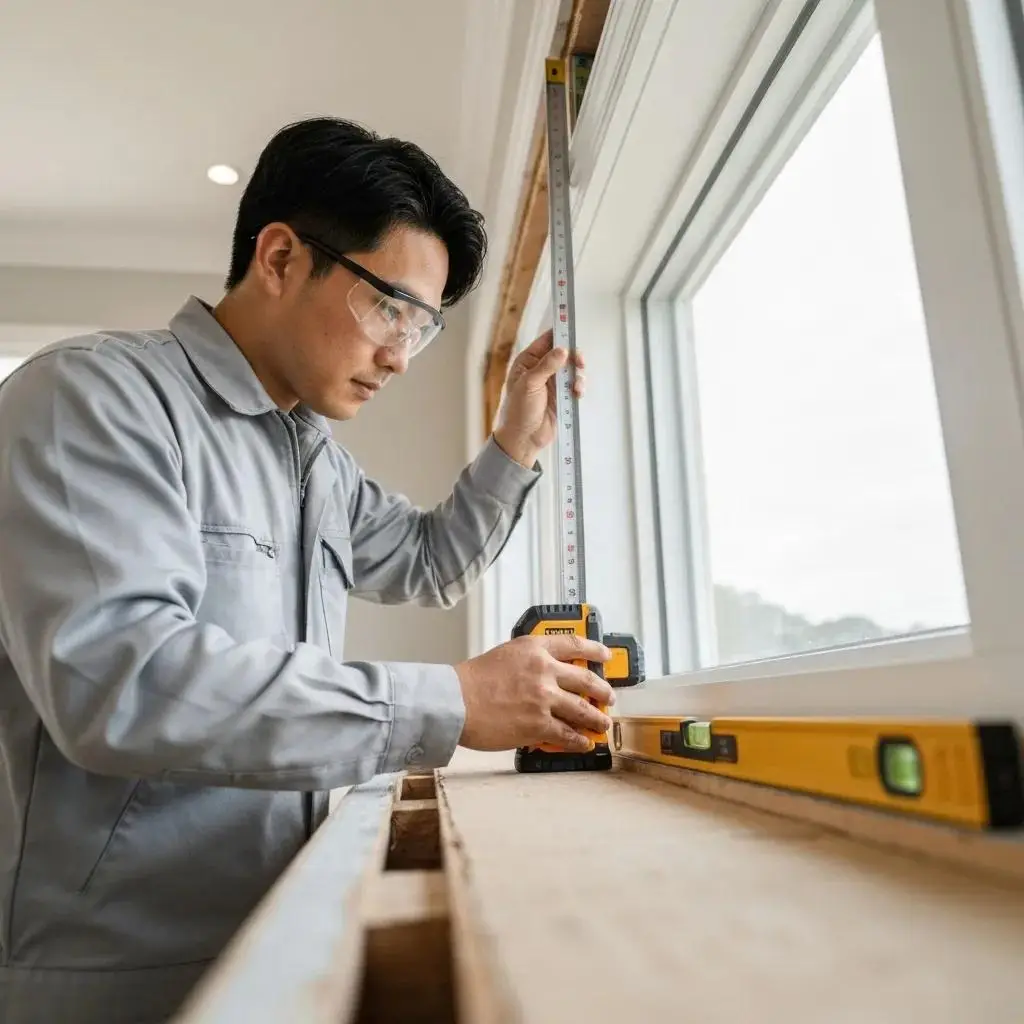
Effective installation methods encompass systematic preparation of the rough opening, advanced flashing techniques, comprehensive air sealing, strategic insulation placement, precise fastening and shimming, and thorough weatherproofing. These steps are crucial to ensure windows perform exactly as their energy-efficiency specifications promise. Each stage is designed to prevent common pathways for heat loss and moisture intrusion, establishing a solid foundation for long-term comfort and savings.
How Is Rough Opening Preparation Optimized for Window Fit?
Preparing the rough opening involves thoroughly cleaning, leveling, and squaring the space to create a plumb and stable frame. This precision prevents thermal bypass and structural distortion, directly contributing to optimal window performance. Start by removing any debris or old sealant. Then, use a framing square to confirm that all four corners are perfectly square and adjust the sill to ensure it is level. Properly sized openings allow windows to sit flush against the flashing and trim, eliminating gaps where air leakage and moisture can infiltrate. This foundational accuracy leads directly into the critical flashing stage.
What Flashing Techniques Effectively Prevent Moisture Intrusion?
Advanced flashing techniques utilize self-adhesive, vapor-permeable membranes and metal drip edges to expertly divert water away from the window assembly. This is essential for protecting the framing members and insulation from rot and mold growth.
- Apply sill flashing tape with a 1–2 inch upturn at the jambs to create a continuous, impenetrable water barrier.
- Install jamb and head flashing in a shingle-like pattern, ensuring water is directed downward and away from the structure.
- Integrate a metal drip edge or flashing cap over the exterior trim to effectively deflect rain and prevent water penetration.
These layered flashing systems create a robust, moisture-resistant envelope that safeguards the insulation and framing, preparing the opening for meticulous air sealing.
How Do Air Sealing Techniques Enhance Window Efficiency?
Air sealing techniques employ high-performance sealants and low-expansion foam to meticulously eliminate drafts around the window perimeter. This is critical for reducing convective heat loss and preventing the infiltration of moisture-laden air.
Apply a continuous bead of polyurethane or silicone sealant along the exterior nail fin and perimeter. Then, fill any irregular gaps with a minimally expanding spray foam specifically designed for window and door applications. This dual approach effectively seals leakage paths, ensuring that the window’s energy ratings are fully realized and paving the way for effective insulation practices.
What Are the Best Insulation Practices Around Window Frames?
Optimal insulation practices involve filling any voids between the window frames and the rough openings with compressible fiberglass batt or low-conductivity spray foam. This is crucial for preventing thermal bridging and maintaining consistent R-values throughout the wall assembly.
After air sealing, cut high-density fiberglass strips to fit snugly around the frame, or apply low-GWP spray foam to fill wider cavities. These insulation materials effectively counteract conductive heat loss through the framing members and preserve the integrity of the thermal envelope, enabling the next critical step: fastening and shimming for structural alignment.
Why Are Proper Fastening and Shimming Essential for Performance?
Proper fastening and shimming are vital to ensure windows remain square, plumb, and level under structural loads. This directly sustains the long-term integrity of seals and prevents frame distortion that could compromise performance and energy efficiency.
Use corrosion-resistant screws or nails through pre-drilled frame holes. Then, insert composite or plastic shims at key load-bearing points—typically under the jambs and in the center of the sill. Verify square alignment with a level and adjust shim thickness as needed. This structural precision secures the sealing and insulation in place, leading directly to comprehensive weatherproofing.
How Is Weatherproofing Completed for Lasting Efficiency?
Weatherproofing is the final stage of installation, involving the application of interior trim sealant and durable exterior caulking to create a continuous barrier against air and water infiltration. This step is essential for securing energy performance and extending the lifespan of your windows.
On the exterior, use a paintable silicone-modified acrylic caulk between the siding and trim. Inside, apply a low-odor acrylic latex caulk at the joint where the drywall meets the window casing. These sealants remain flexible despite temperature fluctuations, preserving airtightness and completing the installation process before we move on to discussing energy ratings.
How Do Window Energy Ratings Influence Installation Choices?
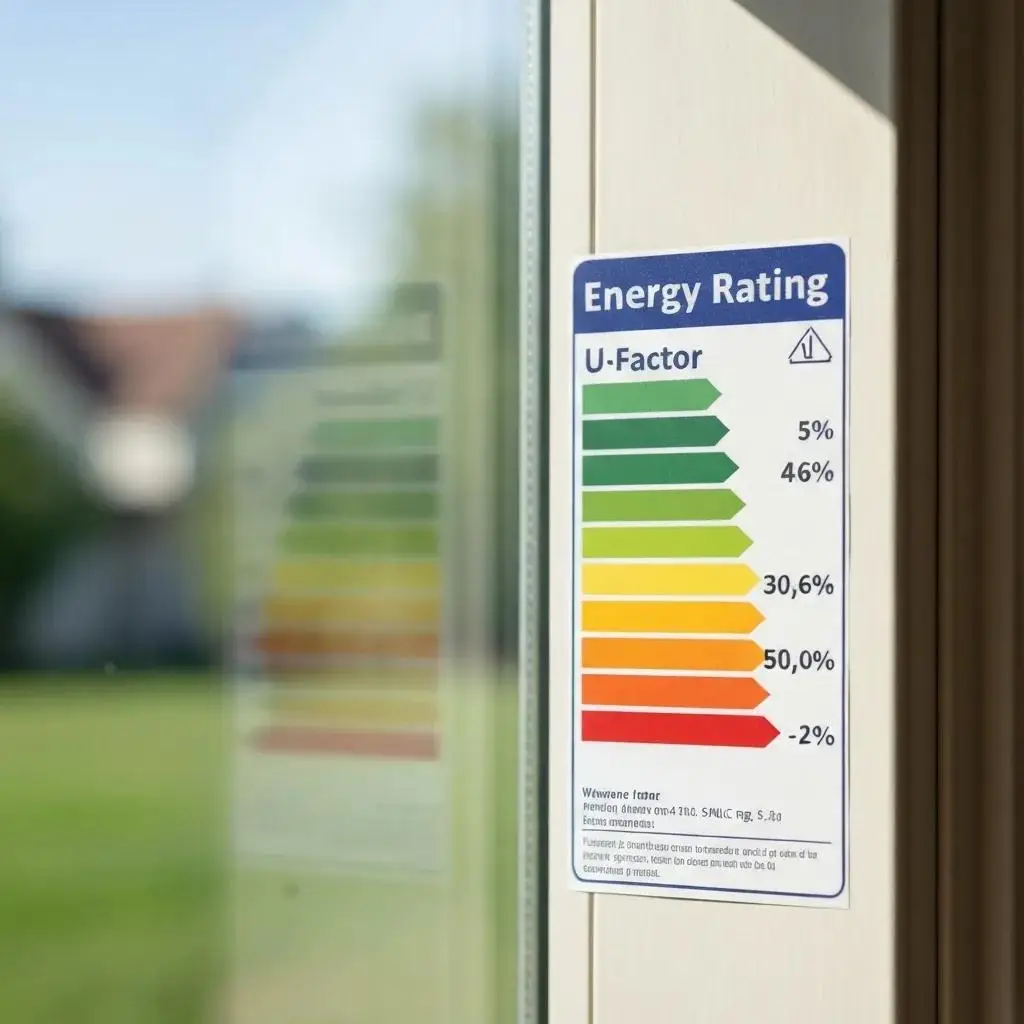
Window energy ratings, including U-factor, solar heat gain coefficient (SHGC), and ENERGY STAR certification, provide quantifiable measures of how effectively a window manages heat transfer and solar gain. These ratings directly guide the selection and installation strategies needed to meet the specific demands of regional climates. Understanding these metrics ensures you choose products that align perfectly with your performance goals.
What Is U-Factor and Why Is It Important?
U-factor measures a window’s thermal transmittance—essentially, how quickly heat passes through the window assembly. It is a direct indicator of insulation quality, with lower numbers signifying better performance.
A U-factor ranging from 0.20 to 0.30 is typical for high-efficiency double-pane windows, while triple-pane systems can achieve values below 0.20. During installation, specialized spacers and gas fills are employed to help achieve these target values, guiding contractors in selecting appropriate frame and glazing combinations that comply with local building codes and ENERGY STAR requirements.
How Does Solar Heat Gain Coefficient (SHGC) Affect Window Performance?
SHGC quantifies the fraction of solar radiation that enters a room as heat. This metric is crucial for informing strategies related to solar control—lower SHGC values are particularly beneficial for reducing cooling loads in rooms exposed to direct sunlight during the summer.
In the climates of New Jersey and Pennsylvania, SHGC values between 0.25 and 0.40 offer a good balance, allowing for beneficial passive solar heating in the winter while managing summer glare and heat gain. Low-E coatings, specifically chosen for different window orientations, can optimize SHGC, ensuring windows capture beneficial winter solar gain while effectively rejecting excessive summer heat.
What Does ENERGY STAR Certification Mean?
ENERGY STAR certification confirms that a window meets stringent performance criteria for U-factor and SHGC, tailored to specific climate zones. This certification directly assures homeowners of validated energy savings and product reliability.
Certified windows undergo rigorous testing by the National Fenestration Rating Council (NFRC) to verify their thermal performance. Opting for ENERGY STAR windows simplifies the product selection and installation planning process, as these products are already pre-qualified for regional energy codes and eligible for various incentive programs.
How Can You Interpret NFRC Labels for Energy-Efficient Windows?
NFRC labels provide standardized ratings for U-factor, SHGC, visible transmittance, and air leakage. These labels empower homeowners and installers to make informed comparisons and installation decisions.
Each label clearly lists the certified performance values, the manufacturer’s details, and the date of certification. When planning an installation, referencing NFRC data is essential to match window specifications with the intended orientation and climate zone requirements, ensuring the selected products achieve the targeted performance and are installed using appropriate techniques.
Why Is Professional Installation Absolutely Crucial for Energy-Efficient Windows?
Professional installation leverages specialized tools, proven methodologies, and in-depth knowledge of local climate conditions. This ensures that every critical component—flashing, sealing, insulation, and fastening—is executed to the manufacturer’s exacting standards. This meticulous approach directly secures peak window performance and guarantees long-term durability.
How Does Professional Installation Guarantee Optimal Window Performance?
Expert installers adhere to manufacturer-specified tolerances, implement advanced flashing protocols, and utilize calibrated air-seal and insulation techniques. This precision ensures that the window achieves its rated U-factor and SHGC values, directly translating into the promised energy savings and enhanced comfort for your home.
Professionals meticulously verify rough opening dimensions, apply certified flashing systems, and calibrate foam and caulking materials for minimal expansion. This guarantees that windows maintain airtight and watertight seals under real-world conditions, preventing any degradation of performance over time.
What Are Common Installation Mistakes to Watch Out For?
Common installation errors include uneven openings, insufficient flashing overlap, using the wrong type of foam sealant, and over-driving fasteners, which can distort frames. Each of these mistakes can directly lead to leaks, drafts, and premature seal failures.
Avoid using general-purpose foam sealants that can over-expand, neglecting to use shims at critical load points, or skipping the installation of thermal breaks in framing components. Professional installation teams systematically mitigate these potential errors through standardized processes and rigorous quality checks, safeguarding the energy performance of your windows.
How Do Warranties and Longevity Improve with Professional Services?
Professional installation often extends manufacturer warranties and includes labor guarantees. This directly increases the product’s lifespan, minimizes future maintenance costs, and provides a secure return on your homeowner investment.
Certified installers meticulously register each project with the manufacturers and provide their own workmanship warranties—typically ranging from 5 to 10 years. This enhances peace of mind and secures your return on investment through sustained, reliable performance.
What Are the Costs and ROI of Energy-Efficient Window Installation in NJ and PA?
The investment for energy-efficient window installation typically ranges from $500 to $1,200 per window, depending on factors like glazing type, frame material, and labor costs. This investment directly influences ROI calculations, which are based on projected utility savings and potential increases in property value.
What Factors Influence the Cost of Energy-Efficient Window Replacement?
The quality of materials used, the size and style of the windows, the complexity of the installation process, and regional labor rates all contribute to the overall cost. These factors directly determine project budgets and available financing options.
- Premium frame materials like fiberglass and composite are more expensive but offer superior thermal performance.
- Triple-pane glazing and inert gas fills can increase material costs by 20–30 percent compared to standard options.
- Challenging site conditions, such as second-floor installations or intricate historic facades, can significantly increase labor time and costs.
Understanding these cost drivers helps in obtaining accurate estimates and aligning your expectations with your ROI goals.
How Can You Calculate the Return on Investment (ROI) for Window Upgrades?
ROI is calculated by dividing your annual energy savings by the total project cost, providing a direct measure of payback periods. For high-performance windows in New Jersey and Pennsylvania, these periods often range from 7 to 12 years.
Estimate your annual savings by using NFRC performance data and local energy rates (e.g., $0.12 per kWh, $1.00 per therm). For instance, a window that saves 300 kWh per year at $0.12/kWh yields $36 in annual savings. A $1,000 window installation would then achieve an ROI of 3.6 percent per year, leading us to explore available incentive opportunities.
Return on Investment for Window Replacement Projects
According to Remodeling Magazine’s 2023 Cost vs. Value Report, replacing existing windows with insulated vinyl models featuring low-E glass offers a strong return on investment (ROI) for homeowners, recouping an average of 68.5% to 71.5% of their cost in increased home value upon resale.
This citation provides verifiable data for the article’s claims regarding the cost-effectiveness and return on investment of energy-efficient window installations.
What Rebates and Incentives Are Available in New Jersey and Pennsylvania?
State and utility rebates for installing ENERGY STAR certified windows can range from $50 to $200 per window, significantly reducing upfront costs and improving your ROI.
- New Jersey’s Comfort Partners program offers rebates for high-efficiency upgrades.
- Pennsylvania’s Act 129 provides incentives through local utility companies.
- Federal tax credits of up to $300 for qualified installations further reduce net expenses, making these upgrades more affordable and paving the way for advanced sealing strategies.
How Can You Seal and Insulate Windows for Maximum Energy Efficiency?
By combining the right sealants, flashing methods, insulation materials, and thermal-break strategies around window frames, you can create a continuous thermal and air barrier. This is essential for preserving energy savings and maintaining optimal interior comfort.
What Sealants Are Best for Air Sealing Windows?
Polyurethane and silicone-modified acrylic sealants offer long-lasting flexibility and strong adhesion to common building substrates, which is crucial for preventing air leaks and maintaining airtight building envelopes.
Choose low-VOC, paintable formulations that are compatible with vinyl, wood, and composite trims. Apply a continuous bead around the nail fin and interior casing, tooling it to fill gaps smaller than ¼ inch, and ensure proper curing time before applying insulation.
How Does Proper Flashing Protect Against Air and Moisture Leaks?
Flashing products specifically designed for window openings—including self-adhesive tapes, membrane wraps, and metal drip edges—create multi-layered barriers that effectively block water infiltration. These systems work in conjunction with sealants to provide comprehensive protection against leaks.
Sill flashings are designed to divert bulk water away from the foundation, jamb flashings protect the side assemblies, and head flashings shed rain from the top. Integrating these layers beneath the siding or exterior trim ensures a unified system that seamlessly transitions into the insulation application phase.
What Insulation Materials Are Recommended Around Window Frames?
Closed-cell spray foam and high-density fiberglass batts are excellent choices for filling irregular cavities around window frames. They deliver R-values of R-6 to R-7 per inch, which effectively minimizes conductive heat loss and provides structural support.
Use a low-expansion foam formula near the glass to prevent frame distortion, then trim any excess foam flush with the frame. For wider gaps, pre-cut fiberglass strips can be compressed to fill the voids, preserving frame alignment and preparing the area for thermal-break solutions.
How to Prevent Thermal Bridging in Window Installation?
Thermal breaks integrated into frame profiles—such as insulated spacers, composite frame materials, and foam gaskets—effectively interrupt conductive heat transfer pathways through framing members. This directly improves the overall U-factor of the window and reduces the risk of condensation buildup.
Install windows using stainless steel or nylon spacers, opt for frames with built-in insulating cores, and apply continuous exterior foam gaskets between the frame and the building substrate. These measures collectively ensure a balanced thermal envelope and lead into our concluding thoughts.
Frequently Asked Questions About Energy-Efficient Window Installation
What Is the Most Energy-Efficient Way to Install a Window?
The most energy-efficient window installation involves meticulous preparation of the rough opening, layered flashing for superior moisture control, continuous air sealing with premium sealants, and dense insulation around the frame. This comprehensive approach ensures that the window fully achieves its rated U-factor and SHGC values.
How Do You Seal Windows for Maximum Energy Efficiency?
Begin by applying a continuous bead of silicone-modified acrylic sealant along the nail fin perimeter. Then, fill any remaining gaps with a low-expansion spray foam. Tool the sealant flush against the substrates, allow it to cure fully, and then install interior trim caulking to create a complete, airtight seal.
What Is the Best Insulation for Around Windows?
Closed-cell spray foam offers the highest R-value per inch and provides excellent structural support for window frames. High-density fiberglass batts are also a great option, as they compress easily into narrow cavities. Both materials effectively minimize conductive heat loss when installed correctly.
What Are the Three Most Important Factors for Energy-Efficient Windows?
- Low-E Coatings to precisely control radiant heat transfer
- Inert Gas Fills (such as argon or krypton) to significantly limit convection
- Thermally Broken Frames to effectively prevent conductive heat bridging
How Do You Properly Insulate Around New Windows?
After completing the air sealing process, cut fiberglass strips to fit snugly around the window frame or apply low-expansion spray foam into wider gaps. Trim any excess foam flush with the frame, then cover with interior trim and caulk to seal and complete the installation.
Discover expert guidance and request your free consultation and estimate today by connecting with Azinex Construction’s dedicated team serving homeowners in New Jersey and Pennsylvania. Experience superior craftsmanship, invaluable regional expertise, and lasting comfort through professional energy-efficient window installation.